Makeup Tips
Finding Your Undertone: A Makeup Artist's Field Guide
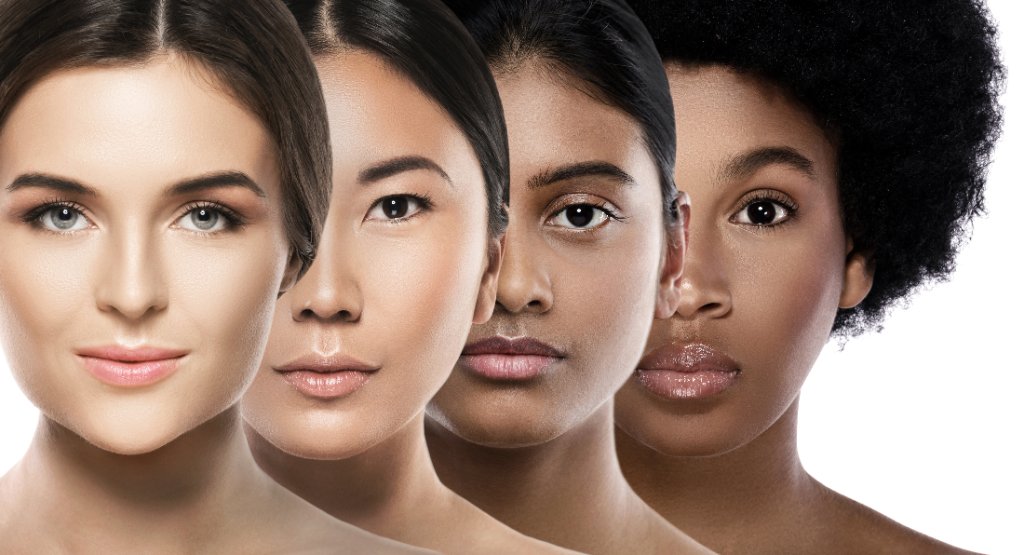
The single most overlooked step in foundation matching isn't shade depth — it's undertone. Here's how to read your skin in natural light.
Undertone is the quiet language your skin speaks beneath the surface. While shade depth — fair, light, medium, deep — describes how light or dark your complexion is, undertone describes the hue that runs underneath it.
The three families
Most skin falls into one of three undertone families:
- Warm — golden, peachy, or yellow-leaning
- Cool — pink, rosy, or bluish-leaning
- Neutral — a balanced mix of warm and cool
A fourth, olive, sits between neutral and cool with a subtle green cast that's easy to misread.
How to check in natural light
Stand near a window in daylight (not direct sun) and hold a piece of plain white paper beside your jawline. The white reflects against your skin and makes the underlying hue easier to isolate. Does your skin read golden against the white? Warm. Rosy? Cool. Neither reads strongly? Neutral.
The jawline — not the cheek — is the right test zone. Cheeks flush easily and lie about undertone.
Why it matters more than depth
A foundation can match your depth perfectly and still look wrong if the undertone is off. Depth tells you how much pigment; undertone tells you which pigment. Get the undertone right and depth becomes a straightforward adjustment.
At Eclipse, every shade is calibrated across both axes — so neutral-warm and neutral-cool aren't afterthoughts, they're the starting point.